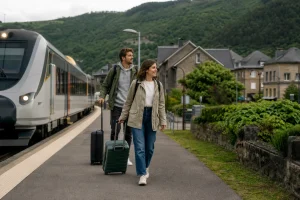

Stay active on holiday does not require rigid training. Walks, mobility and rest can naturally adapt to travel.
Many itineraries are already more active than daily life: stations, stairs, museums and walks accumulate hours in movement. Before adding workouts, observe the real load and how to recover. The goal can be to maintain energy and mobility, not replicate any habit of home in a different context.
Integrate movement into the day
Choose interesting walking routes, use the stairs when comfortable and enter short mobility exercises when awakening. A local race or lesson can be pleasant if you want, but do not compete with sleep and visits. Consider warm, altitude, road and already planned activities.
A practical method to apply
Define a minimum flexible threshold: ten minutes of mobility or a quiet walk on light days. Bring only the equipment you will really use. If you want to train outdoors, choose popular routes, communicate the area and check conditions. Leave at least one day of recovery after unusual efforts.
- Real load: count walks, stairs and hours standing before adding exercise.
- Flexible minimum: choose a short practice that does not condition the itinerary.
- Context: suitable intensity to climate, soil, altitude and quality of sleep.
- Recovery: reduce the program when abnormal pain or fatigue appear.
Errors that complicate everything
Chase daily numbers can push you to walk without pleasure or train when you are already tired. Also carrying bulky shoes and equipment for guilt increases your luggage. In the presence of persistent pain, interrupt and ask for an appropriate evaluation.
The choice that really works
The movement should help you live the place, do not take care of it. Some days will be active, others almost steady: the balance emerges on the entire journey. Returning rested and with good sensations is worth more than maintaining a perfect set.